Tag Archives: mental-health

Why talking about your negative feelings is healthy

NY Times Article: Why Talking About Our Problems Helps So Much (and How to Do It)
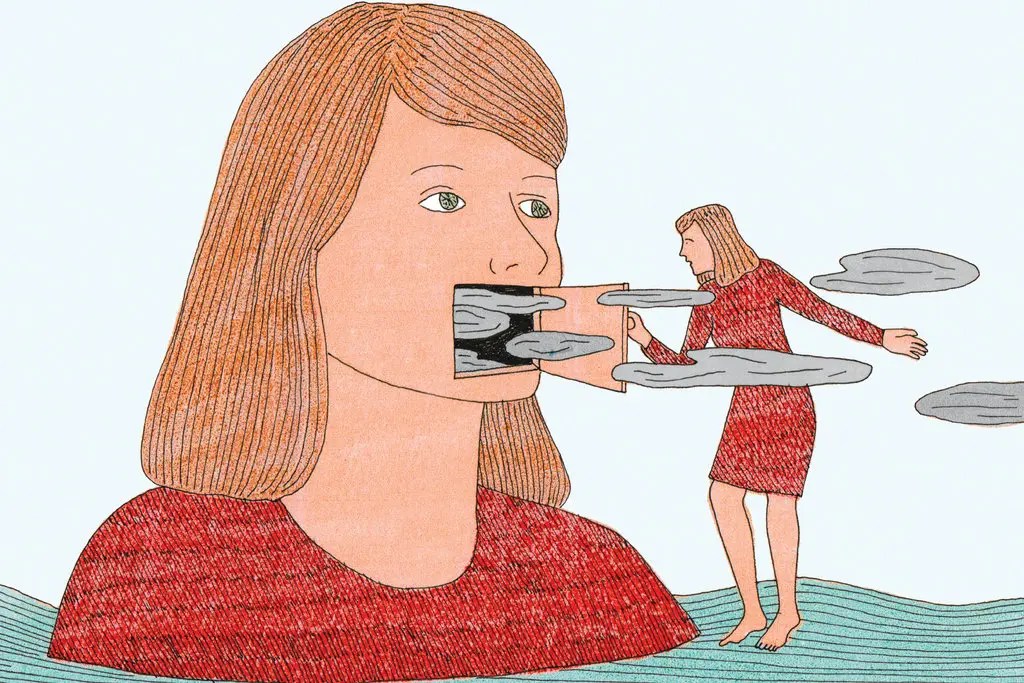
There’s more to the age-old advice to just “talk it out” than there seems. Here’s some of the evidence that explains why it is so helpful.

Excerpt from the article:

” … When you’re fighting the exhausting uphill battle against your own negative feelings, it can seem as if talking about it is the least productive thing you can do.

In reality, your brain and body get a lot out of talking.

When you are feeling very intense feelings — especially fear, aggression or anxiety — your amygdala is running the show. This is the part of the brain that, among other things, handles your fight or flight response. It is the job of the amygdala, and your limbic system as a whole, to figure out if something is a threat, devise a response to that threat if necessary, and store the information in your memory so you can recognize the threat later. When you get stressed or overwhelmed, this part of your brain can take control and even override more logical thought processes.

Research from U.C.L.A. suggests that putting your feelings into words — a process called “affect labeling” — can diminish the response of the amygdala when you encounter things that are upsetting. This is how, over time, you can become less stressed over something that bothers you. …”


My Encounter With Postpartum Depression

“I can’t do this! Someone else would be a better mother for him. He deserves a better mom, not someone like me. I know nothing about being a mom. I don’t know how to do this! He deserves someone better, and that’s not me.”

I remember that afternoon vividly. I was sitting on the couch in my psychiatrist’s office, sobbing uncontrollably. Through tears, I confessed that I wanted to give up my baby for adoption because I truly believed someone else could be a better mom to Aidan. Day after day, my thoughts spiraled, telling me I wasn’t good enough for him. He deserved a “real mom”—someone who could love and care for him properly.

Dr. C listened to me empathetically, as she always did. It was only my third appointment with her after being referred by my GP and midwife. They had grown increasingly concerned about my condition following Aidan’s birth.

Continue reading My Encounter With Postpartum Depression

About Radical Acceptance – DBT

Pic credit: suryamachinery.in

I found this interesting article about Radical Acceptance, and I would like to share it with you.

Radical Acceptance is one of the skills in DBT, and just like any other skill, the more you practice it, the better you will become at it.

Here’s a snippet from the article:

Coping Statements to Foster Radical Acceptance

Here is a list of coping statements you can use when you are feeling as though you can’t accept situations and move on. Keep these handy with you so that you can use them in the moment when you are feeling out of control.

  • When I fight against negative emotions, I only fuel them to grow larger.
  • I can’t change the things that have happened in the past.
  • I am able to accept the present moment exactly as it is.
  • I can get through difficult emotions even if it is hard.
  • I will get through this no matter what.
  • I will survive and this feeling will fade even though this feels painful right now.
  • It’s possible for me to feel anxiety but still manage this situation in an effective way.
  • It’s possible for me to accept what happened and still end up happy.
  • I can choose to make a new path even if I feel bad.
  • When I remain rational I am better able to make good choices and solve problems.
  • It’s better to take the right actions than keep judging or blaming.

I hope this article will help as you’re building your skill to be able to radically accept difficult things in your life:

https://www.verywellmind.com/what-is-radical-acceptance-5120614

— 🌻 Sophie ❤️