Opening Story :
Conversation :
Reading :
Story Continues :

Opening Story :
Conversation :
Reading :
Story Continues :
Opening Story :
Conversation :
Reading :
Story Continues :

We are living in a world where no one is immortal. We are all going to die one day — that’s the reality.
But when it comes to our loved ones, I often feel like the time we have with them is never enough. That’s how it feels for me whenever I lose someone I love.
My Papa was sick with diabetes for years before he died. He passed away suddenly from a heart attack on July 7th, 2021. I still remember the shock when it happened, because just three hours before he passed, he called me to complain about the AC in his room being broken and asked me to find a technician to fix it. I was often his go-to person whenever he needed something.
After Papa died, I struggled deeply — it was so unexpected. But there was one thing that gave me some solace: knowing he wasn’t in pain anymore. For years, he had to endure daily insulin shots, strict diets, endless doctor visits — which was especially hard for him because he loved good food. In those last months, he really suffered, and I hold on to the comfort that he is finally free from that pain.
What helped me through those first months of grief was the support of close friends, journaling, and constantly reminding myself: Papa isn’t suffering anymore.
Continue reading Finding Peace Through Radical AcceptanceNY Times Article: Why Talking About Our Problems Helps So Much (and How to Do It)
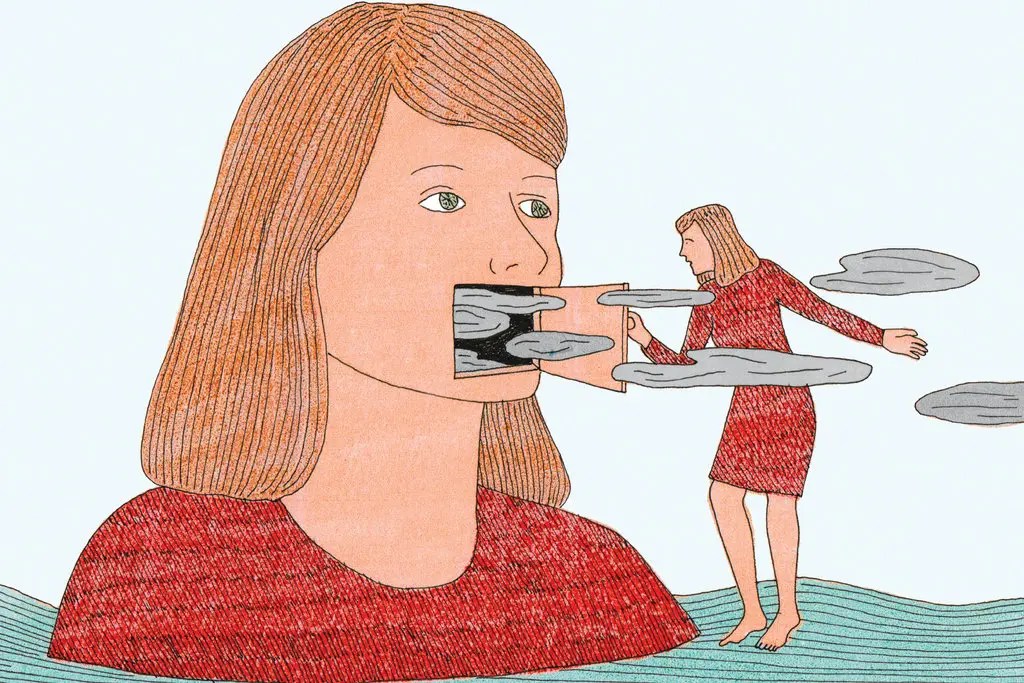
There’s more to the age-old advice to just “talk it out” than there seems. Here’s some of the evidence that explains why it is so helpful.
Excerpt from the article:
” … When you’re fighting the exhausting uphill battle against your own negative feelings, it can seem as if talking about it is the least productive thing you can do.
In reality, your brain and body get a lot out of talking.
When you are feeling very intense feelings — especially fear, aggression or anxiety — your amygdala is running the show. This is the part of the brain that, among other things, handles your fight or flight response. It is the job of the amygdala, and your limbic system as a whole, to figure out if something is a threat, devise a response to that threat if necessary, and store the information in your memory so you can recognize the threat later. When you get stressed or overwhelmed, this part of your brain can take control and even override more logical thought processes.
Research from U.C.L.A. suggests that putting your feelings into words — a process called “affect labeling” — can diminish the response of the amygdala when you encounter things that are upsetting. This is how, over time, you can become less stressed over something that bothers you. …”

“I can’t do this! Someone else would be a better mother for him. He deserves a better mom, not someone like me. I know nothing about being a mom. I don’t know how to do this! He deserves someone better, and that’s not me.”
I remember that afternoon vividly. I was sitting on the couch in my psychiatrist’s office, sobbing uncontrollably. Through tears, I confessed that I wanted to give up my baby for adoption because I truly believed someone else could be a better mom to Aidan. Day after day, my thoughts spiraled, telling me I wasn’t good enough for him. He deserved a “real mom”—someone who could love and care for him properly.
Dr. C listened to me empathetically, as she always did. It was only my third appointment with her after being referred by my GP and midwife. They had grown increasingly concerned about my condition following Aidan’s birth.
Continue reading My Encounter With Postpartum Depression
