EXCERPTS “…In the UK, the male suicide rate is its lowest since 1981 – 15.5 deaths per 100,000. But suicide is still the single biggest killer of men under the age of 45. And a marked gender split remains. For UK women, the rate is a third of men’s: 4.9 suicides per 100,000.
It’s the same in many other countries. Compared to women, men are three times more likely to die by suicide in Australia, 3.5 times more likely in the US and more than four times more likely in Russia and Argentina. WHO’s data show that nearly 40% of countries have more than 15 suicide deaths per 100,000 men; only 1.5% show a rate that high for women.”
Men are more likely to die of suicide than women. – This reality bothers me so much,
We, both men and women, together as a community must do something about it.
If you’re a man and you struggle , please join our FB group. It’s a small online community of amazing, compassionate people.
I am also going to start a section on our resource library WorkWithTheBrainYouHave dot com for men, depression, & suicide.
The Weight of Gold is an HBO Sports documentary exploring the mental health challenges that Olympic athletes often face. The film comes during a time when the COVID-19 pandemic has postponed the 2020 Tokyo Games — the first such postponement in Olympic history — and greatly exacerbated mental health issues.
The film seeks to inspire discussion about mental health issues, encourage people to seek help, and highlight the need for readily available support. It features accounts from Olympic athletes who share their own struggles with mental health issues, including Michael Phelps, Apolo Ohno, Shaun White, Lolo Jones, Gracie Gold, Katie Uhlaender, Bode Miller, David Boudia, Jeremy Bloom, Sasha Cohen, and, posthumously, Steven Holcomb and Jeret “Speedy” Peterson (via his mother, Linda Peterson).
“Sidney, you told me that you wanted to be a writer more than anything in the world.”
He suddenly had my attention. “That was yesterday.”
“What about tomorrow?”
I looked at him puzzled. “What?”
“You don’t know what can happen tomorrow. Life is like a novel, isn’t it? It’s filled with suspense. You have no idea what’s going to happen until you turn the page.”
“I know what’s going to happen. Nothing.”
“You don’t really know that, do you?” Everyday is a different page, Sidney, and they can be full of surprises. You’ll never know what’s next until you turn the page.”
I thought about that. He did have a point. Every tomorrow was like the next page of a novel.
We turned the corner and walked down a deserted street. “If you really want to commit suicide, Sidney, I understand. But I’d hate to see you close the book too soon and miss all the excitement that could happen to you on the next page — the page you’re going to write.”
Don’t close the book too soon… Was I closing it too soon? Something wonderful could happen tomorrow.
Either my father was a superb salesman or I wasn’t fully committed to ending my life, because by the end of the next block, I had decided to postpone my plan.
Sidney Sheldon was a very successful American writer and producer. He is consistently cited as one of the top ten best selling fiction writers of all time
NY Times reported, “Variety estimated Mr. Sheldon’s net worth, including his earnings from his film and television ventures, at $3 billion. Mr. Sheldon’s books have been published in 51 languages, making him, by many accounts, the most widely translated author in the world. “
What many don’t know is that Sidney Sheldon almost died of suicide at the age of 17, and was saved because his father (who was supposed to be away) forgot something and had to go back home.
Music 🎶 helps me a lot … “Then, when I am not feeling well and I find it harder to escape, I can use those same songs to connect to happier times and escape my reality even for a few minutes and give myself a break.”…
🌻 Sophie’s Note 📝. I struggle a lot with depression bouts because of my Bipolar 2 … and I find that there are days when meds don’t work, and I just have to push through it.
This article is based on people’s experience living with TRD – Treatment-resistant depression, and I find many of the suggestions helpful. I hope it can help you too …
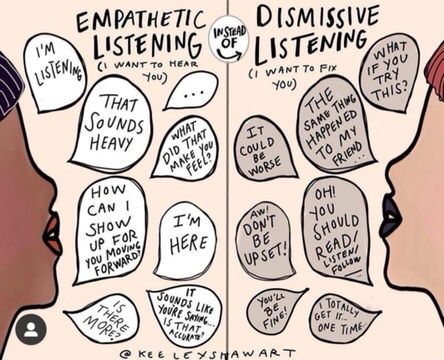
“Don’t be a victim.” “No one ever said life was fair.” “Happiness is a choice.” “It’s your choices and your fault.” “You just have to get over it and get on with it.”
Just STOP 🛑.
Family members, friends, ‘friends’, whoever whatever; if you have someone in your life that has Depression or any mental illness, do yourself a favor and educate yourself, at least a tad. It’s not good making your own judgement on them and an illness that you don’t even understand.
The article above is helpful. If you take the time, THANK YOU ❤️ 💜.
Even if you don’t, please stop saying this unhelpful things to people.
It’s either pointless or damaging; but in your eyes you’re ‘helping’. You’re NOT.
So please stop doing it.
– A guest post by Lauren Barker, one of our members.
🌻 Sophie’s NOTE 📝: If you want to suggest a guest post, please feel free to inbox/PM this Page 😊
pic credit: keeleyshawart
Snap Out of It” or “Try Harder”
Having someone tell you to try harder when you are already giving it your best effort can be demoralizing and may make a person with depression feel their situation is hopeless.
There are many reasons depression develops and a person cannot necessarily control all of the risk factors involved. Once a person has become depressed, it’s not a matter of just “talking themselves out of” a low mood.
Like diabetes or hypothyroidism, depression can happen because the body is not making enough of substances it needs to function properly.1 A person with diabetes cannot will their body to make more insulin. Similarly, a person experiencing depression due to low levels of neurotransmitters can’t simply “think” themselves into having more.
Similar to how people with diabetes might need treatment with insulin, people who have depression need medical intervention and support. For some people, this may mean taking medications that address chemical imbalances that can contribute to the condition.
“Cheer Up!”
Your well-meaning exhortations to “cheer up” or “smile” may feel friendly and supportive to you, but they oversimplify the feelings of sadness associated with depression.
Just as someone who is depressed can’t force their brain to make more serotonin, they also can’t just “decide” to be happy. While there are certainly benefits to practicing positive thinking,2 it’s not enough to cure someone of depression.
“But You Don’t Look Depressed!”
“People who need help often look like people who don’t need help,” said American author Glennon Doyle. In other words, how a person appears on the outside does not necessarily reflect how they feel on the inside. This is true of many mental illnesses, but also chronic illnesses and conditions that are sometimes deemed invisible.
It’s not uncommon for people with depression and anxiety to try very hard to “put on a good face” and hide how they really feel from others.
They may be embarrassed, confused, guilty, ashamed, or afraid of what would happen if other people found out that they were depressed. They may worry that they will be seen as incompetent at work or as a parent, or that their spouse, family, and friends will stop loving them. These thoughts can become very intense and, in fact, are characteristic of depression itself—even though they don’t reflect reality.
Just because someone who is depressed tries to cover it up, it doesn’t mean they want to be dismissed when they do choose to open up about how they really feel. It takes courage to speak openly about the pain they feel. If someone responds with doubt or disbelief, it may make them feel like talking about their depression is not safe.
It can also make them doubt themselves. When paired with the stigma attached to mental illness, those feelings of doubt may make them reluctant to seek treatment.3
“It Can’t Be That Bad” or “It Could Be Worse” or “You Think You Have It Bad. . .”
When you’re talking to a friend who is depressed or going through a difficult time, resist the temptation to compare pain. Remember that pain (emotional and physical) is not only subjective but relative.
People with depression also lack the internal resources needed to cope with stress in an effective and healthy way.4 To you, an event or situation that constitutes a minor annoyance or inconvenience may feel like an insurmountable obstacle to your loved one with depression.
People often worry if they don’t see a clear “reason” for their depression, and not knowing why they are depressed can make matters worse.
What someone’s life looks like on the outside doesn’t always reflect, or change, how they feel on the inside. Depression doesn’t need a justification. The experience is highly personal, and even if you care about someone and want to help, be aware that you can never know for sure how it feels to be them.
Maybe a person’s life could be worse, but depression isn’t about how bad things are—it’s about how bad they feel for that person at that moment.
Avoid making comparisons or staging a “competition” for who feels the worst. Doing so isn’t helpful and can make a person with depression feel that you’re minimizing their experience or not really listening to what they’re telling you.
“It’s All in Your Head” or “It’s Your Fault”
While a deficiency of mood-regulating substances is technically occurring in the mind, the phrase “all in your head” tends to be dismissive. People who hear the phrase may also feel attacked, as though they are being accused of “making it up” or lying about how they feel.
Furthermore, depression very often is not just in someone’s head but in their body as well. There are many physical symptoms of depression, including chronic pain, which are very real. Depression is a medical condition that can’t be expected to improve without treatment.
Depression is not a condition someone chooses to have, and while researchers don’t understand all the potential causes, they know that there are many factors.
One factor believed to play a significant role in depression is genetics. Some environmental factors may also play a role, perhaps by triggering an underlying inherited vulnerability to depression.
As with genetics, people can’t always control environmental triggers such as the type of home environment they grew up in. It’s well known that people who experienced trauma or abuse in childhood are at an increased risk for depression later in life.
There are some theoretically modifiable risk factors and lifestyle changes that can have an impact on symptoms,5 but simply telling someone with depression to “get out more” or recommending lifestyle changes they may not be prepared for can also be unhelpful. The symptoms of depression (such as fatigue and lack of motivation) can make mental and physical activity overwhelming and exhausting.
“Who Cares?”
When someone is depressed, they may carry feelings of guilt and shame. They may feel that they are a burden to the people in their lives, and these feelings can make depression worse and may even lead to suicidal thoughts or self-harmingbehaviors.6
If you are having suicidal thoughts, contact the National Suicide Prevention Lifelineat 1-800-273-8255 for support and assistance from a trained counselor. If you or a loved one are in immediate danger, call 911.
Minimizing the pain of another person is not helpful and, for people who are dealing with depression, can be very hurtful and harmful.
When you’re caring for (and about) someone who is depressed, you may say hurtful things when you are feeling frustrated or worried. If you find yourself thinking “who cares?” when you’re listening to a loved one, recognize that it might be a sign you are burnt out.7
You need to take care of your own emotional and mental health before you can help someone else with theirs. If you are feeling frustrated, irritated, or helpless, check-in with yourself and make sure that you have the support you need.
“You Don’t Think About Anyone But Yourself”
It may seem, at times, like someone who is depressed is very preoccupied with their own life (or, more specifically, their own thoughts) but that doesn’t make them selfish. Implying that a person with depression doesn’t care about other people provides no comfort and only fuels feelings of blame, shame, and guilt.
“I Don’t Understand”
Even if you have experienced clinical depression yourself, your experience may be different from someone else’s. If you’ve never had depression, it may be hard for you to empathize. In either case, if someone you love is depressed, the best thing you can do is be open and willing to learn.
Rather than giving up on a conversation by saying “I just don’t understand”—or saying you do understand when you really don’t—start by reassuring your loved one that you care about them.8
If you are struggling to understand what they need, be honest. Calmly explain, then be patient and ready to listen.
“This Too Shall Pass” or “Let It Go”
While this may be true, a person who is depressed may not have the perspective necessary to entertain the idea—let alone believe it. Platitudes, clichés, and vague statements don’t offer much for someone to hold on to in terms of hope.
A person who is depressed may have a hard time envisioning the future because they are overwhelmed by the present. It’s also not easy to “let go” or “escape from” the past, especially for someone who experienced loss or trauma.
You may feel like you’re offering hope by saying that, eventually, things will get better—but a person who is depressed may be frustrated wondering how long they will have to wait.
Instead of pushing them to focus on the future or forget about the past, just do your best to be present with them at the moment. Just sit with them and try not to worry about saying the right or wrong thing: You may find the most helpful thing you can do is to listen.