
pic & quote credit: 🌻 Sophie
Background Photo by [Austin Mabe] on Unsplash

pic & quote credit: 🌻 Sophie
Background Photo by [Austin Mabe] on Unsplash
SOURCE: https://www.nami.org/Personal-Stories/How-Invalidating-My-Bipolar-Disorder-Invalidates-M
Excerpts :
“I wouldn’t tell anyone you have it. They’ll judge you and treat you differently.” “I wouldn’t tell your boss. It could affect your job.”
Sadly, this is often true. I’ve experienced it first hand and usually the ones who give this response are others that have dealt with the repercussions of disclosing their mental illness. I’ve done this many, many times. I’m quite good at it. I push through it. I smile when I am miserable. I slink off somewhere to manage an anxiety attack. I don’t talk to anyone when I am depressed.
When I reveal it, it is often not met kindly. However, that’s the reason I have decided to talk about it even more. The stigma is there because most keep quiet. This is what emboldens me to share my experiences. You never know who is suffering mentally. You can say you have a physical disease and most often, you are treated with concern or empathy. If you mention a mental disorder, the subject gets changed or the conversation get quiet. It’s an isolating experience.

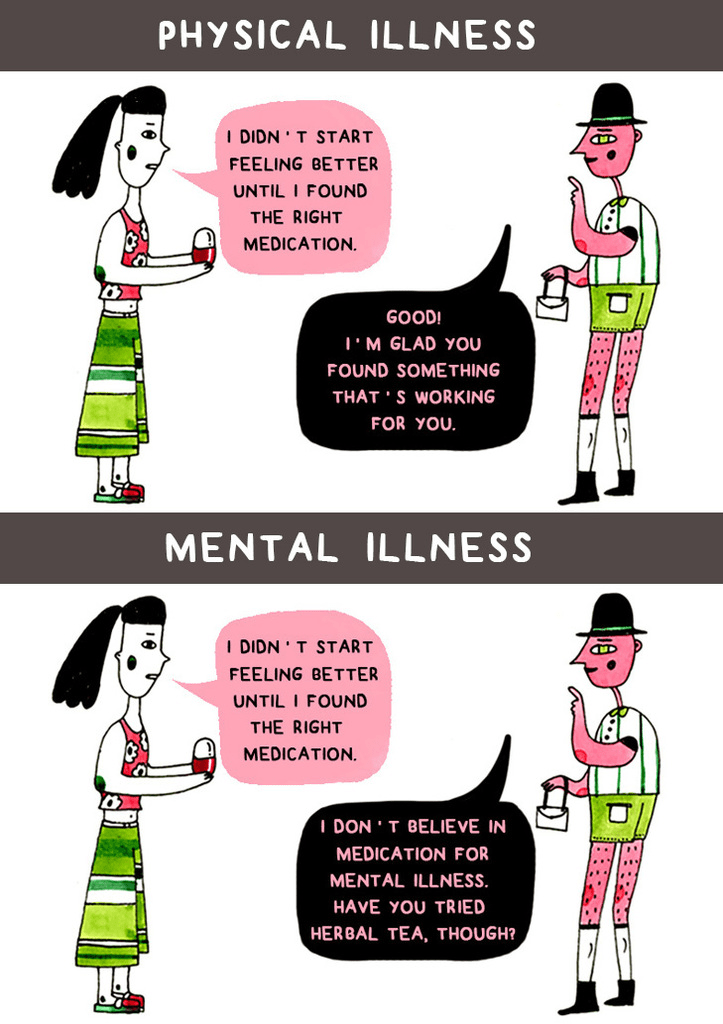
pic credit: 🌻 Sophs
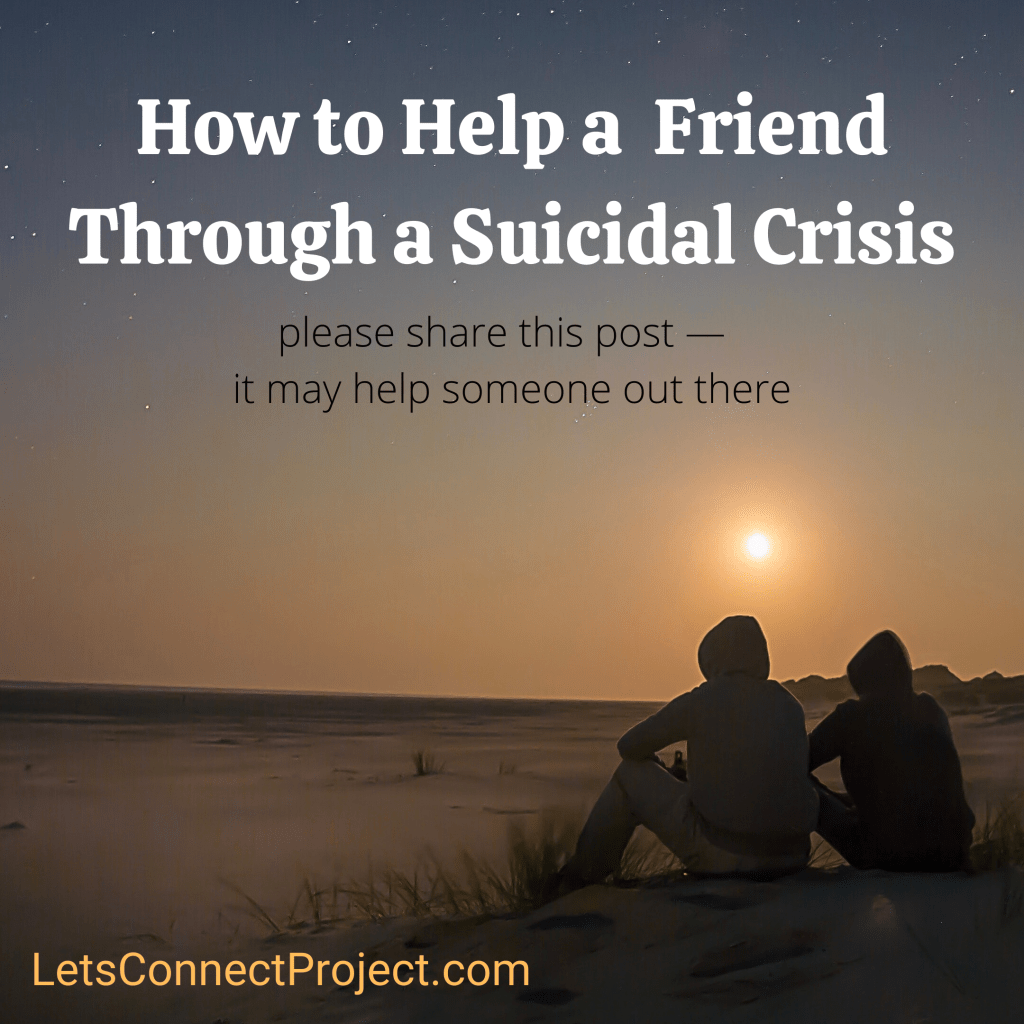
Sometimes we can be put in this situation, and we don’t know what to do. Below are some suggestions on how to be effective in dealing with the situation.

DO:
• Reach out
• Ask questions
• Show that you care
• Encourage your friend to talk
• Listens without making judgements
• Talk openly about suicide
• Remain calm
• Suggest people you can both turn to
• Know your limits
• Get help
• Act quickly if you think your friend is in danger
DON’T:
• Make your friend’s problem sound unimportant
• Act shocked
• Keep your friend’s suicide plans secret
• Ask your friend to think about how his or her suicide would make others feel
• Try to take any weapon away from your friend
• Leave your friend alone when he or she is in crisis
• Give up hope
Credit: The Power to Prevent Suicide : A Guide for Teens Helping Teens by Richard E. Nelson, Ph.D., and Judith C. Galas.
background photo credit: Gerrit Vermeulen on Unsplash.
 wwtbyh